
Airwallex is a global fintech platform built for businesses that operate across borders, offering B2B products such as multi-currency accounts, foreign exchange and payments.
Expense Management was the next step in that vision and my job was to get customers to use it.
I owned the end-to-end growth experience for expense management across five regions. That included product positioning, onboarding logic, touchpoints, sequencing and building a go-to-market framework for product launches
What Expense Management solves
Business owners had no visibility into what their team was spending on their employee cards. Most of our customers were e-commerce brands and early stage startups where every dollar mattered. The owners were time poor and often running everything themselves.
Expenses were the last thing on their mind. Until tax time came along.
Speaking to customers and support teams, these pain points kept coming up:
One thing surprised me. Small business owners didn't want to micromanage their team. They wanted to trust their employees to spend as they needed without becoming the bottleneck.
The design problem
Airwallex built a new product that solved a customer problem but our customers did not know it existed yet. We already understood who we were designing for and the frustrations they faced around card expenses.
My role was to figure out how to communicate value to the right users and get them started using the new Expense Management product.
Activation metrics
Before we started, we defined a set of metrics to measure the number of businesses that activated and used Expense Management. We defined this early so we could measure whether our work and decisions were contributing to the success of the launch.
Our metrics were:
Activation
Number of users activating Expenses on their Airwallex account
Number of first transactions tracked on Expenses
Together, this showed us that a customer made a decision to engage with the product and the had experienced using it. These metrics were shared across the design, product and marketing teams and became the north star goal for the product.
Opportunity pool
Because Expense Management was only available to customers with employee cards, we also kept an eye on the number of businesses using employee cards and total number of card holders. This gave us a sense of the potential user base and how much room there was to grow.
Designing the activation journey
My strategy was to treat the launch as an ongoing journey rather than a single moment. I broke it down into 4 stages, mapping the user journey from awareness to first transaction.
Each stage had a specific goal and a job to do, moving users from not knowing the product existed to understanding what it was, trying it out and eventually using it as part of their business day to day.
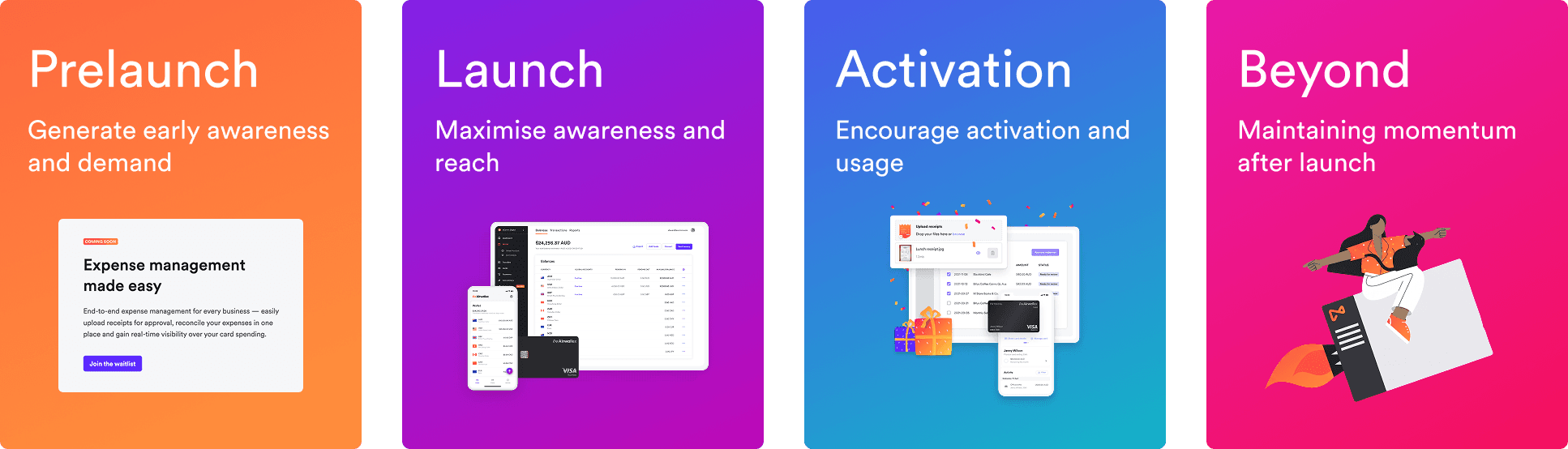
Building demand before launch
Before launch, my goal was to build demand and create early awareness.
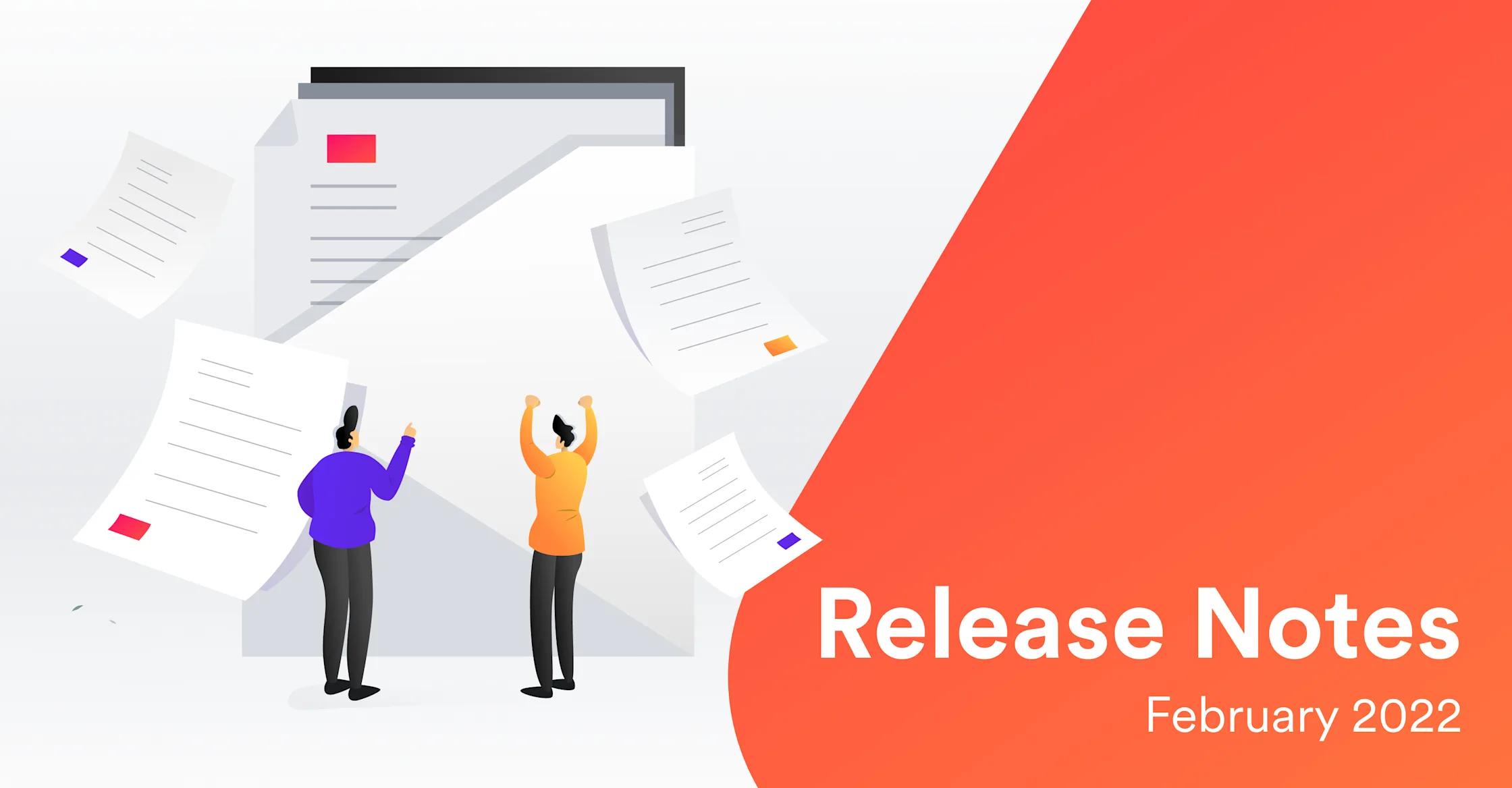
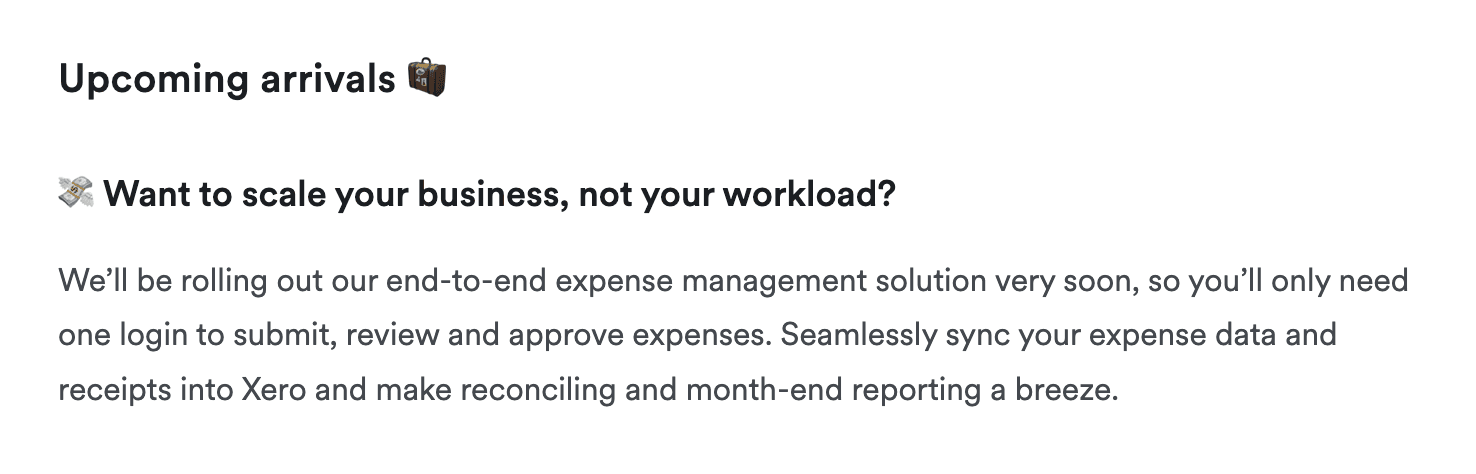
I used Airwallex's monthly newsletter and release notes to hint at the upcoming product and give customers a sense that something new was on the way.
I set up a waitlist to capture warm leads from existing customers who were were primed and ready to activate when launch day came. For some businesses, expense management was a non-negotiable. They would not sign up to Airwallex without it, so the waitlist was also a way to hold onto interest from non-customers who were waiting for an expense management solution specifically.
We used the waitlist to recruit for our beta test group so our team could gather feedback and make improvements before public launch.
Starting with a waitlist meant we weren't launching into the unknown. We had a group of users who already wanted the product.

Maximising awareness at launch
Once it launched to the public, I wanted to get it in front of as many eyes as possible to open up the funnel for product activations. However given our resources, it was most efficient for us to get it front of the right customers. Expense Management could only be used by customers who already had employee cards so that group was my main target.
I coordinated across three touchpoints at once.
Communications covered launch email flows, product release notes and briefing sales teams so every channel was saying the same thing at the same time.
A new product page gave customers somewhere to land and understand what the product did before they committed to activating.
Inside the Airwallex account I added a simple "New" label to the dashboard tab. It caught customers who regularly use their airwallex account for other business transactions but never opened emails.


Encouraging activation and usage
We offered a three month free trial to lower the barrier to activation.
To add momentum at launch, I ran a competition in AU where any customer who activated Expenses and completed a transaction was entered to win $10,000 toward their business expenses.

The competition drove activation but it mostly attracted smaller businesses with lower transaction volumes. It did not bring in the customers who would generate meaningful spend over time. I chose not to run it in other regions because the results did not justify the cost.
The right customer activating is more valuable than more customers activating.
Building the onboarding flow
Running alongside the Expenses launch was a larger piece of work that touched every product on the platform. I built an onboarding flow to push activation and usage of the Expense Management product after the initial launch.
Before I started on the team, Airwallex's onboarding experience consisted of a single email introducing customers to the product range.
I replaced it with an automated and personalised system that was tailored to the user.
The goal was to set new users up on their Airwallex account, introduce them to the products most relevant to them and guide them toward activating those products over time.
The flow covered the full product suite including Global Accounts, FX transfers, Corporate and Employee Cards and accounting integrations. Over the course of a few months, new users received a mix of emails and in-app messages that educated them and helped them explore each product. The sequence was personalised to show products based on region, industry and interest.
I designed it around the idea that every customer should feel like the experiences and products were built for them.
Each region had its own logic because pricing and product offerings varied across markets. An e-commerce business in Australia got a different experience to a SaaS startup in Singapore interested in foreign exchange.

I worked with the data and engineering teams to personalise each touchpoint based on triggers / behaviours on the account.

A/B testing improvements
I ran A/B tests on email copy and website messaging to understand what was resonating and what wasn't. Small changes to subject lines, benefit framing and calls to action that compounded over time into a meaningfully better performing sequence. The biggest gains came from reframing benefits around time saved rather than features offered.
Australia was the hardest launch because we had no playbook to follow. I built the growth strategy from scratch, tested everything as we went and used those learnings as the foundation for every launch that followed.
Each region that followed used the same structure but I adapted the approach to the market. In Hong Kong and Singapore, customers responded more to pricing rather than visibility and control. In the US market, Expense Management was free entirely which shifted the goal from conversion to rapid adoption.
Every launch follow the same sturcture:
Research what previously worked in the market
Adapt the messaging to local context
Build the launch
Update the onboarding sequence
Coordinate with local teams
I designed and shipped five regional launches in six months.
Strong activation across all regions
We onboarded around 4000 businesses onto Expense Management in Australia with an activation rate of approximately 60%. First transactions took longer to build momentum but this was consistent with how businesses actually operate. Many companies purchase stock or process expenses only a few times a year, so the metric tracked with real purchasing cycles rather than reflecting a problem with the product or the launch.
Increased engagement and activation during onboarding
The personalised onboarding flow delivered a 40% email open rate and a 10% click through rate, both above B2B benchmarks. Customers were engaging with the content and finding their way to the right products. The sales team were able to operate with a lower touch approach and focus their time on high value customers instead.
Validated market demand
Users were engaging deeply enough to ask for more. Feature requests came in immediately for things like automated approval workflows, multi-level approvals and additional accounting integrations.
The launch did not just drive activation. It proved the market wanted this product and wanted us to keep building it.
Align the incentive to the outcome
If I did it again, I would replace the competition with a cashback scheme. Customers would earn a percentage back on their expenses so the reward would scale with how much they were actually using the product. The incentive aligns more with the behaviour we wanted to drive which was consistent use of our corporate cards and expenses.
Collect better data upfront
The personalised onboarding sequence was built on assumptions from existing customers. The ideal experience would involve adding a short survey at signup asking what products they were interested in and what their business did. That would provide us with better data to work with.
The trial to paid transition
Converting trial users to paid was harder than we expected. We assumed that if customers used the product during the trial, they would convert if they saw value from it. The end of a free trial was a moment of friction that we had not properly anticipated. If I did it again, I would treat the trial to paid transition as its own journey with the same level of thought I gave to activation. Getting customers to stay is just as important.